
Parent guide

Is Add Maths harder than IGCSE Maths?

For most students, Add Maths is harder, but not because it is magically impossible. It is harder because it gives less room for weak algebra, vague working, and copied methods.

Short answer

IGCSE Maths is broad. Add Maths is more compressed.

IGCSE Maths, particularly Cambridge 0580, covers a wide range of topics: number, algebra, geometry, graphs, probability, statistics, and problem solving. A student with one weaker area can still collect marks in stronger ones. Add Maths, particularly Cambridge Additional Mathematics 0606, is less forgiving. Many chapters depend on algebraic control and symbolic reasoning, so a shaky foundation in one area can pull several chapters down at once.

If algebra is slow, Add Maths feels heavy almost immediately. If a student is used to copying example patterns, Add Maths exposes that habit fast. The exam question may rephrase the setup, combine two ideas, or require a rearrangement before the familiar method even appears. For a structured breakdown of the differences in algebra demands and reasoning style, see the difference between IGCSE Maths and Add Maths.
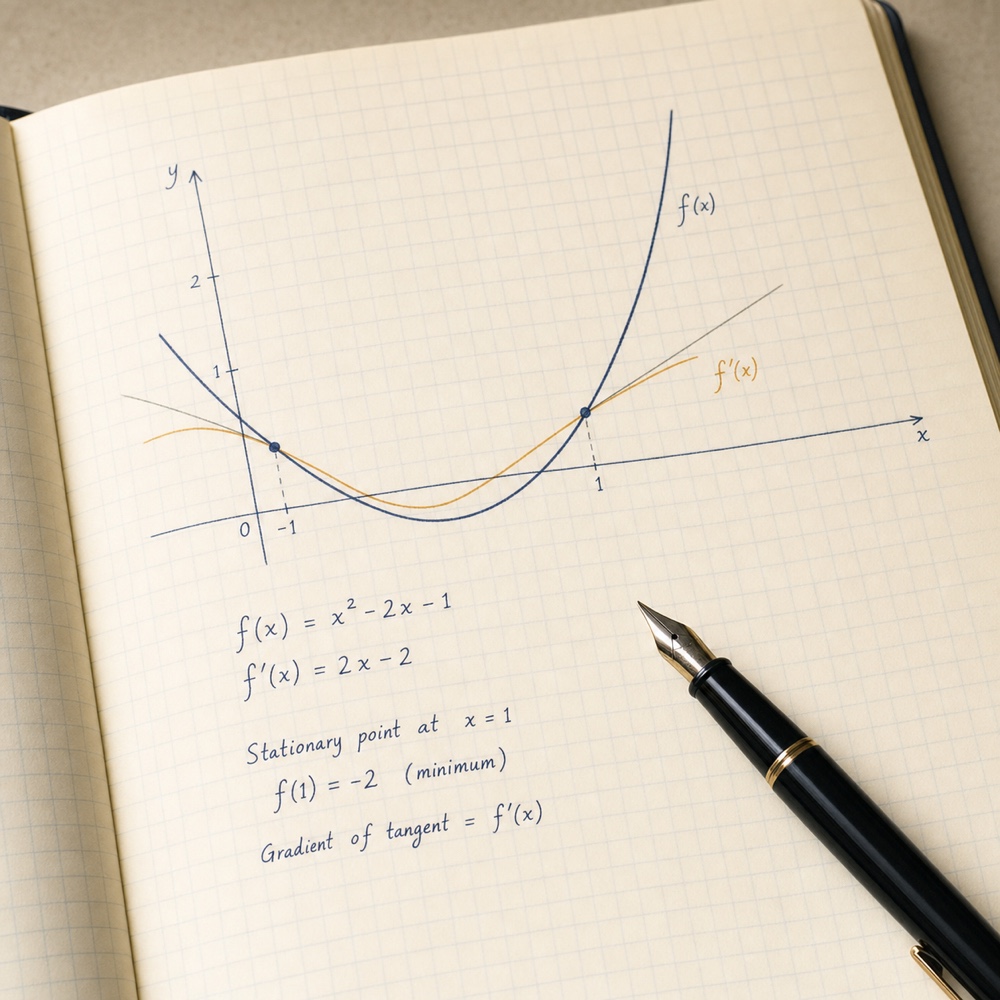
Layered algebra visual for Add Maths readiness
Add Maths readiness depends on algebra control and connected reasoning.
IGCSE Maths

What usually makes 0580 difficult

IGCSE Maths becomes hard when a student cannot start an exam-style question, loses marks for missing working, or cannot connect a familiar topic to an unfamiliar wording. The core challenge is exam method: reading the question carefully, choosing the first step, and writing clearly enough to earn the method marks.

  • Broad topic range.
  • Many marks for clear written method.
  • Questions may combine diagrams, algebra, graphs, and interpretation.
Add Maths

What usually makes 0606 harder

Add Maths expects the student to stay comfortable with symbols throughout. Functions, equations, graphs, trigonometry, and calculus readiness all depend on algebra. A small gap in rearranging, factorising, or reading notation can affect several chapters at the same time.

  • Heavier algebra load.
  • More abstract notation.
  • Less tolerance for memorised steps without understanding.
Readiness signs

A practical parent checklist

Good signs

The student can explain their algebra steps, fix a mistake without starting from scratch, and stay calm when a question is worded differently from the example they practised.

Warning signs

The student says "I know this" but cannot start the question, copies model answers without understanding why, or needs prompting every time to rearrange an expression.

Best next step

Check the weak step before committing to Add Maths. Often the right call is algebra repair first, then Add Maths support once the foundation is more solid.

At a glance

IGCSE Maths 0580 vs Add Maths 0606

The short side-by-side parents ask for. Both are Cambridge syllabuses; the gap is in algebra demand, abstraction, and how questions combine ideas.

DimensionIGCSE Maths (0580)Add Maths (0606)
BreadthWider: number, algebra, geometry, graphs, probability, statistics, problem solvingNarrower: functions, quadratic theory, indices and surds, polynomials, trigonometry, calculus, vectors
Algebra demandModerate: rearrangement, factorising, linear and basic quadratic workHigh: fluent symbolic manipulation expected throughout
Topic depthEach topic stays at the level needed for exam methodGoes further into each topic; ideas build on each other across chapters
Calculus exposureNoneDifferentiation and integration, including applications
Mark recoveryWeak chapter can be partly offset by stronger onesLess forgiving: a weak algebra base affects multiple chapters at once
Typical weekly timeAbout 1.5 to 2 hours of practice on top of schoolAbout 1 to 1.5 hours extra on top of 0580, depending on algebra readiness
Best fitEvery IGCSE student aiming for a respectable maths gradeStudents confident with algebra and headed toward science, engineering, finance, or competitive university courses

Syllabus names refer to Cambridge IGCSE Mathematics (0580) and Cambridge IGCSE Additional Mathematics (0606). Always confirm the exact assessment year on the Cambridge Assessment International Education syllabus page.

Cost in time, not just difficulty

How much time does Add Maths actually add?

Most parents who ask "is Add Maths harder" really mean "is it worth the extra time." Honest answer for a Malaysian Year 10 student who is already coping with 0580:

  • Around 1 to 1.5 extra hours per week of focused practice if algebra is already solid.
  • Around 2 to 3 extra hours per week in the first term if the algebra foundation needs repair first.
  • The cost peaks in the first 8 to 10 weeks of Year 10. Once functions, indices, and quadratic work feel automatic, the weekly load eases.

The right move is rarely to skip Add Maths. It is to fix the weak step early so the time cost stays manageable. That is what MathPert's teaching method targets: finding the weak step before the first school assessment, not after.

In Malaysia

When Malaysian students typically start feeling the gap

Malaysian Year 10 students sitting Cambridge 0580 and 0606 usually feel the harder side of Add Maths in the first eight to ten weeks of Year 10, when functions, indices, and quadratic chapters land in quick succession. Students from KL, Petaling Jaya, Johor Bahru, and across the Klang Valley follow the same Cambridge syllabus, so the pinch point is the same regardless of school.

A pre-Add-Maths algebra refresh in late Year 9 or the first weeks of Year 10 is usually the smartest move. By the time term-one assessments arrive, trying to patch an algebra gap while keeping up with new chapters is much harder than getting a head start before term begins.

Already started Add Maths and feeling the gap? See MathPert Add Maths tuition or the Add Maths readiness guide.

Who wrote this

About the author

This guide is written by Teacher Au, who has been teaching Cambridge IGCSE Mathematics (0580) and Additional Mathematics (0606) since 2018, alongside SPM and UEC students, at a Malaysian homeschooling centre. The readiness signs above come from diagnosing where students actually lose marks, not from reading a syllabus summary.

"You inspired him in Maths and Add Maths."
"He spends his time to answer me with patience."
Anonymised messages from MathPert parents and students. See more proof.
Questions parents ask

Common questions

Yes, for most students. Cambridge Additional Mathematics 0606 is harder than IGCSE Mathematics 0580 because it relies more heavily on algebra control, symbolic reasoning, and the ability to combine topics within a single question.

WhatsApp MathPert